Turbocharger failure can significantly reduce a work truck’s power and may make continued driving unsafe, especially when the vehicle is loaded or operating in traffic. Depending on the severity of the failure, towing may be the safer way to move the truck to a repair facility without causing additional engine or exhaust-system damage.
For work trucks operating in San Tan, AZ, turbocharger problems can range from gradual performance loss to sudden mechanical failure. Recognizing the signs early can help drivers avoid pushing the truck beyond what its condition allows.
What Does a Turbocharger Do on a Work Truck?
A turbocharger uses exhaust gases to compress incoming air before it enters the engine.
By supplying the engine with more air, the turbocharger helps produce additional power and torque. This is particularly important for diesel work trucks that need to move heavier loads, climb grades, and maintain speed while carrying tools, materials, or equipment.
When the turbocharger is not functioning properly, the truck may lose a noticeable amount of power.
The vehicle may still run, but acceleration, load-carrying performance, and highway speed can be affected.
What Are Common Signs of Turbocharger Failure?
Turbocharger problems can produce several symptoms.
A driver may notice sudden power loss, slow acceleration, unusual whining or grinding noises, excessive exhaust smoke, or warning lights on the dashboard.
Oil leaks may also appear if turbocharger seals or related oil lines are damaged.
In some situations, the engine may enter a reduced-power mode to protect itself from further damage.
Can a Work Truck Still Be Driven With a Failed Turbo?
That depends on the type and severity of the failure.
A minor performance issue may allow the truck to move a short distance, but a complete turbocharger failure can create additional risks.
If internal turbo components break, debris or oil may enter the intake or exhaust system. Continued operation can potentially affect the engine, emissions equipment, or other connected components.
Drivers should also consider how the truck performs in traffic.
A vehicle that cannot accelerate adequately, merge safely, or maintain speed can become a road hazard even if the engine is still running.
Why Does the Truck’s Load Matter?
A loaded work truck demands more from the engine than an empty vehicle.
Construction materials, tools, equipment, utility gear, or commercial cargo all increase the amount of power needed to accelerate and maintain speed.
If turbocharger output is lost, the effect may be much more noticeable under load.
A truck that can move normally in a parking area may struggle significantly when attempting to climb a grade or enter faster-moving traffic.
When Might Heavy Duty Towing Be Needed?
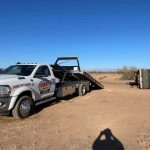
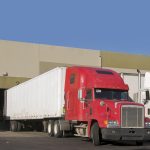
Large work trucks may require Heavy duty towing when their size, loaded weight, axle configuration, or mechanical condition exceeds the capabilities of lighter towing equipment.
Turbocharger failure alone does not determine the class of tow truck.
A smaller commercial vehicle may be handled with medium-duty equipment, while a larger utility truck, dump truck, service body truck, or heavily loaded commercial vehicle may require a Heavy Tow Truck.
Other factors also matter, including whether the truck can roll freely, whether steering and braking remain functional, and where the vehicle is located.
Does Turbocharger Failure Affect the Towing Process?
Usually, the turbocharger problem itself does not prevent the truck from being towed, but the truck’s overall condition must still be considered.
If the engine has leaked oil, suffered internal damage, or developed an exhaust-related problem, the towing operator should know about it before transport begins.
The truck’s drivetrain, brakes, steering, axle configuration, and load condition also affect how it should be moved.
What Information Should Drivers Provide?
Drivers should describe the symptoms as accurately as possible when requesting towing.
Useful information includes:
- Truck make and model
- Approximate loaded weight
- Whether the vehicle is carrying cargo
- Whether the engine is still running
- Whether the truck has severe power loss
- Whether smoke is coming from the exhaust
- Whether oil is leaking
- Whether unusual noises are present
- Whether the truck can steer, brake, and roll normally
- The truck’s exact roadside position
If the vehicle is stopped on a slope, in a construction area, or near active traffic, that should also be mentioned.
Can Continued Driving Cause More Damage?
It can.
A failing turbocharger may place additional stress on connected engine and exhaust components, depending on the type of failure.
Oil loss can create another concern if the turbocharger relies on engine oil for lubrication. Internal turbo damage may also affect airflow or allow debris to move into nearby systems.
When Is Towing the Safer Choice?
Towing should be considered when the truck has major power loss, cannot maintain safe road speed, produces heavy smoke, develops unusual mechanical noise, or shows signs of an oil-related problem.
For work trucks in San Tan, AZ, vehicle weight and load should also factor into the decision.
A heavily loaded truck with significantly reduced engine power may not be able to operate safely even if it can still move under its own power.